
When it comes to building a website, one of the key decisions you’ll need to make is choosing a web hosting service. There are many different hosting packages available, each with its own unique features and benefits.
In this blog post, we’ll be taking a look at eight different types of web hosting to consider for your website. Whether you’re a small business owner, blogger, or operator of an e-commerce site, there’s a hosting solution out there that will fit your needs.
So let’s dive in and explore the different types of web hosting available.
Read Also: Web Hosting vs WordPress Hosting: A Comparative Analysis
The Importance of Choosing the Right Web Hosting for Your Website
Choosing the right web hosting for your website is crucial for its success. Here are some reasons why:
- Website speed and performance: The speed and performance of your website depend on the quality of your web hosting. If your hosting provider has slow servers or limited resources, your website will load slowly, which can lead to a poor user experience and decreased search engine rankings.
- Reliability and uptime: If your web hosting provider experiences frequent downtime, your website will be unavailable to your visitors, which can result in lost traffic, revenue, and customers. Choosing a reliable web hosting provider with a high uptime guarantee can prevent this from happening.
- Security: Web hosting security is important to protect your website and user data from hacking, malware, and other security threats. A good web hosting provider should have strong security measures in place, including regular software updates, firewalls, and backups.
- Technical support: If you experience any technical issues with your website or hosting, you need a responsive and knowledgeable support team to help you resolve the issue quickly. Choosing a web hosting provider with 24/7 technical support can save you time and frustration.
- Scalability: As your website grows, you may need to upgrade your hosting plan to accommodate more traffic and resources. Choosing a web hosting provider that offers scalable hosting options can help you easily upgrade your hosting plan as needed.
8 Different Types of Web Hosting to Consider
With web hosting, you’re spoiled for choice. From cheap and cheerful shared hosting to robust dedicated hosting servers and everything in between, there’s a solution to fit every budget and technical requirement.
Let’s take a look at eight different web hosting types you can consider for your website:
| Web Hosting | Best For | Features | Examples |
| Shared Hosting | Small Websites and blogs | Shared planUser FriendlySite maintenance and security are taken care of by the hosting provider.Weekly backup | DreamhostA2 hosting |
| VPS ( virtual Private Server) Hosting | Medium scaled businesses and websites | Virtual serverIndependent control of the serverCustomizable experienceScalabilityUnmetered bandwidth | HostingerLinodeBluehost |
| Dedicated Server Hosting | Websites with large traffic | Physical ServerHigh SecurityCustomizable ExperienceScalabilityEntire server for personal useDedicated server plans | HostgatorBluehostLiquidwebInmotion hostingOVHcloud |
| Cloud Hosting Websites | Websites with large amounts of data. | Access to multiple servers across the globeAutomatic traffic direction to other serversScalabilityHighly Reliable | VultrDigital OceanMicrosoft AzureGoogle Cloud PlatformAmazon Web Services |
| Managed Hosting | Organizations that lack technical expertise in web maintenance. | Web maintenance and security are carried out by the hosting providerHighly optimized performanceAvailability of technical support | Liquid webFlywheelKinstaSite Ground |
| Colocation Hosting | Companies that require servers and hardware storage but lack the space or resources to do so independently. | Provides storage facility and resourcesPersonal maintenance and configuration of servers FlexibilityHigh level of security.Technical control | EquinixDigital RealtyCore siteCyxtera |
| Self Hosting | For Websites with unique/ specific requirements. | Personalized server maintenance and configurationFlexibilityNo 3rd Part hosting Provider | Raspberry Pi |
| WordPress Hosting | Websites and blogs running on the WordPress content management system (CMS) | Easy web performance optimizationUser friendlyflexibilityDaily backupCustom control panel | BlueHostHostgatorWP engineSite Ground |
Shared Hosting

You should consider shared hosting if you have a small website or blog that does not require a lot of resources or traffic. It is an affordable type of hosting for websites that do not have specific security or performance requirements.
However, if you have a larger website or a website with high traffic, shared hosting may not be the best choice because it could lead to low-performance issues and security risks.
Keep in mind that in shared hosting, the server resources such as CPU, RAM, and storage space are shared among a network of computers whose websites are hosted on the server, so the performance of your website may be affected by the usage of other websites on the server.
Shared hosting plans are generally a cheap hosting option compared to other types of hosting, such as dedicated hosting or VPS hosting, because the cost of the server resources is shared among multiple customers.
Pros
- Cost-effective: Shared hosting plan is generally the most affordable option among different types of web hosting services. This makes it a good choice for small businesses or individuals who are just starting and want to keep their hosting costs low.
- Easy to set up: Shared hosting is generally very easy to set up and use, even for people with little technical knowledge. Most shared hosting providers offer a user-friendly control panel that allows customers to easily manage their websites, email accounts, and other features.
- No need for technical skills: With shared hosting, the service providers take care of all the technical aspects of running the server, such as security, maintenance, server malfunction, server settings, and updates. Customers do not need to have any technical skills to use shared hosting.
Cons
- Limited resources: Shared hosting servers have limited resources, which can lead to reduced performance and slower loading times for websites that receive a lot of traffic or use resource-intensive applications.
- Security risks: Shared hosting poses a higher security risk compared to other types of hosting because if one website on the server is hacked, it can potentially affect all the other websites on the server.
- Limited control: Shared hosting customers have limited control over the server and the resources it uses. They cannot install custom software or make certain changes to the server configuration.
- Limited scalability: Shared hosting is not suitable for websites that expect to receive a lot of traffic or need to scale quickly. As the resources on the server are shared, it may not be able to handle a sudden increase in traffic or resource usage.
VPS Hosting

VPS (Virtual Private Server) hosting is a type of web hosting that allows a website to be hosted on a virtual server, which is created using virtualization software. This virtual server is a copy of a physical server, but it is hosted on a shared physical server.
The advantage of VPS hosting is that it offers more control and flexibility than shared hosting, as each virtual server has its resources and is not affected by the other virtual servers on the same physical server.
Still, it is a less expensive type of hosting compared to the dedicated type of server because it can host more than one virtual server on the same physical server. VPS hosting is suitable for medium-sized business websites or websites that require more resources and control than shared hosting can offer.
Pros
- More resources: VPS hosting provides more resources and control than shared hosting, as each virtual server has its dedicated resources.
- Improved performance: VPS hosting generally offers better performance than shared hosting, as the virtual server is not affected by the other websites on the same physical server.
- Customization: VPS hosting allows for greater customization of the server environment, as the user has root access to the virtual server.
- Scalability: VPS hosting allows for easy scalability, as the user can upgrade or downgrade their server resources as needed.
Cons
- Cost: VPS hosting is more expensive than shared hosting, as users pay for their dedicated resources.
- Maintenance: The user is responsible for maintaining and updating their virtual server, which can be time-consuming and require technical knowledge.
- Responsibility: As the user has full control over their virtual server, they are also responsible for its security and performance.
Dedicated Server Hosting
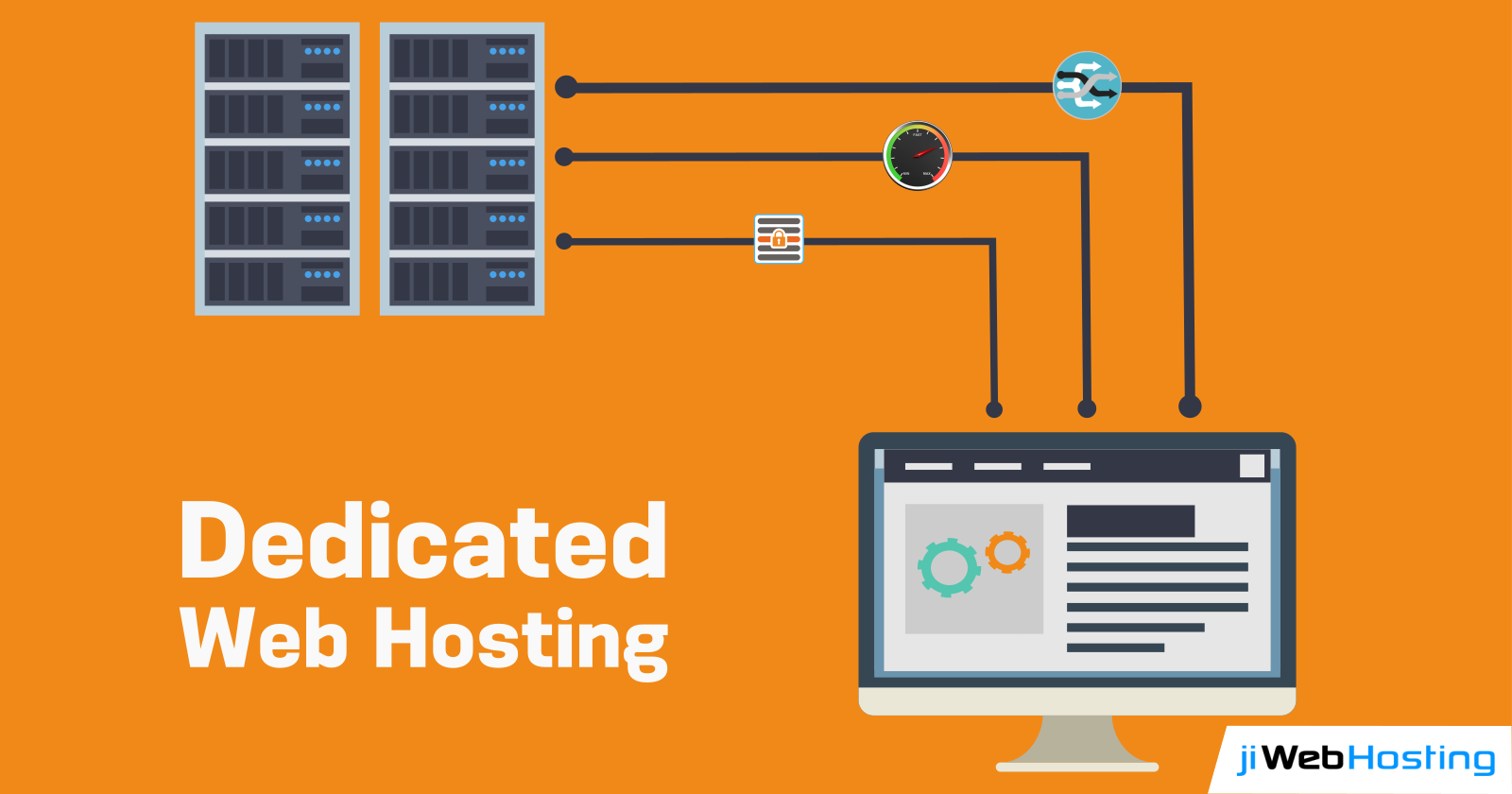
In dedicated server hosting, the customer has the entire web server, which is not shared with anyone else. There is complete control over the single server, including the choice of the operating system, hardware, and other software. The server administration is dedicated to the client, meaning it is not shared with any other clients or websites.
Dedicated server hosting is typically a more expensive type of hosting compared to others, such as shared hosting or VPS (virtual private server) hosting, but it offers greater performance, reliability, security, and customization.
It is a good choice for websites or applications with high traffic and performance requirements or for clients who need a high level of control over their hosting environment.
Pros
- Greater performance and reliability: Since the server is dedicated to a single client, no other websites are competing for resources, resulting in better performance and reliability.
- Increased security: Since the server is dedicated to a single client, there is less risk of security breaches due to other clients on the same server.
- Customization: The client has full control over the server and can customize it to meet their specific needs.
- Scalability: Dedicated servers can be easily scaled up or down to meet the changing needs of the client.
Cons
- Higher cost: Dedicated servers are generally more expensive than shared hosting or VPS hosting.
- Increased responsibility: The client is responsible for maintaining and updating the server, including installing security patches and software updates.
- Lack of support: In some cases, the hosting provider may not provide support for certain issues, leaving the client to handle them on their own.
- Requires technical expertise: Setting up and managing a dedicated server may require a higher level of technical expertise than other types of hosting.
Cloud Web Hosting

When it comes to website hosting, cloud hosting is an increasingly popular option. Cloud hosting uses multiple servers across the globe connected by a network to form a “cloud,” allowing the hosting provider to offer flexibility and improve reliability, as the virtual infrastructure is designed to automatically handle failures and redirect traffic to other connected servers.
It can be implemented through public cloud services, private cloud services, or a hybrid combination of both, and is often used for high-traffic websites and applications that require a large number of computing resources or that experience fluctuations in traffic.
Pros
- Scalability: One of the main advantages of cloud hosting is the ability to easily scale up or down as needed. If your website experiences a sudden increase in traffic, the cloud can automatically allocate more resources to meet the demand. This eliminates the need to purchase additional hardware or migrate to a different hosting platform.
- Reliability: Cloud hosting uses a network of servers to host websites, so if one server goes down, the others can pick up the slack. This can help to ensure that your website remains available even in the event of a server failure.
- Cost-effectiveness: Cloud hosting can be more cost-effective than other types of hosting, as you only pay for the resources you use. This can be especially beneficial for websites with variable traffic patterns, as you can avoid paying for resources you don’t need.
Cons
- Complexity: Setting up and managing a cloud hosting environment can be more complex than other types of hosting. It requires a deeper understanding of cloud technology and may require specialized skills to maintain.
- Dependency on internet connectivity: Because cloud hosting relies on internet connectivity, if your internet connection goes down, your website may become unavailable.
- Security concerns: While cloud hosting providers typically have robust security measures in place, there is still a risk of data breaches or unauthorized access to your website.
Managed Hosting

With managed hosting, the hosting provider is responsible for managing and maintaining the servers and infrastructure that host a website or application. This includes tasks such as installing and configuring software, monitoring the servers and network, and providing technical support to the website owner or application developer.
With managed hosting, the website owner or application developer does not need to worry about the technical details of maintaining the servers and infrastructure. Instead, they can focus on developing and managing their website or application and leave the hosting and maintenance tasks to the hosting provider.
Managed hosting is often more expensive than other types of hosting, such as shared or self-managed hosting, due to the additional services and support provided by the hosting provider. However, it can be a good option for businesses or organizations that do not have the technical know-how or control over server resources to manage their servers and infrastructure.
Pros
- Expert support: Managed hosting providers typically have a team of technical experts who can help with any issues or questions that arise. This can be particularly useful for businesses or organizations that do not have in-house technical expertise.
- Security: Managed hosting providers often have security measures in place to protect the servers and infrastructure from cyber threats, such as malware, viruses, and hacking attempts. This can provide peace of mind for website owners and application developers.
- Performance: Managed hosting providers often have systems in place to ensure that the servers and infrastructure are optimized for performance. This can result in faster loading times and better overall performance for websites and applications.
- Scalability: Managed hosting providers can often help with scaling up or down as needed, depending on the needs of the website or application. This can be particularly useful for businesses or organizations that experience fluctuations in traffic.
Cons
- Cost: Managed hosting is often a more expensive option than other types of hosting, such as shared or self-managed hosting.
- Limited control: With managed hosting, the website owner or application developer may have less control over the servers and infrastructure, as the hosting provider is responsible for managing and maintaining them.
- Dependence on the hosting provider: If the hosting provider experiences issues or downtime, it can impact the website or application. This can be a concern for businesses or organizations that rely on their website or application for critical operations.
- Limited customization: Managed hosting providers often have their own set of software and configurations that they use to manage the servers and infrastructure. This may limit the ability of the website owner or application developer to customize the environment to their specific needs.
Colocation Hosting
Here, you have the opportunity to rent space in a data center and store your er(s) and hardware, which are usually owned by the hosting provider. As a customer, you typically pay for the space used as well as any additional services required, such as power, bandwidth, and support.
You are responsible for maintaining and managing your hardware, which includes installing the operating system and any applications, but the data center provides the necessary infrastructure, such as power, cooling, and internet connectivity.
For companies that require servers and hardware storage but lack the physical space or resources to do so independently, colocation hosting is a smart solution. This powerful method grants organizations access to professional data centers with unparalleled security, reliability, and connectivity without having to construct and sustain their facility themselves.
Pros
- Increased security: Data centers often have an advanced type of physical security, such as secure entrances, video surveillance, and on-site security personnel. This can provide a higher level of protection for your server and hardware.
- Reliability: Data centers are designed to be highly reliable, with redundant power and cooling systems to ensure that your server and hardware remain up and running.
- Flexibility: Colocation hosting allows you to choose the type of hardware you use and the operating system you run, giving you more control over your hosting environment.
- Cost-effective: Colocation hosting is an affordable solution for building and maintaining your own data center, particularly for smaller organizations.
Cons
- Responsibility: As the owner of the hardware, you are responsible for maintaining and managing it, including installing the operating system and any applications.
- Lack of control: While you have flexibility in choosing your hardware and operating system, you may have less control over the data center’s infrastructure, such as the network and power systems.
- Limited support: While data centers may offer some level of support, they may not provide the same level of support as a managed hosting provider.
- Additional costs: In addition to the cost of space, you may also need to pay for additional services such as power and unlimited bandwidth, which can increase your overall hosting costs.
Self-Hosting

Self-hosting refers to the practice of hosting a website or service on your r device, rather than using a third-party hosting provider. This type of plan can give you more control and flexibility over your website or service, but it also requires you to handle the maintenance, updates, and security of the server or device yourself.
You might consider self-hosting if you need a high level of control over your website or service, or if you have specific requirements that may not be met by a third-party hosting provider.
Pros
- Maximum control: When you self-host, you have complete control over your website or service, including the ability to customize it to your specific needs and requirements.
- Flexibility: Self-hosting allows you to choose your own server or hosting platform, which can give you more flexibility in terms of the technologies and tools you use.
- Cost-effectiveness: In some cases, self-hosting can be more cost-effective than using a third-party hosting provider, especially if you have a large website or service that requires a lot of resources.
Cons
- Maintenance and updates: When you self-host, you are responsible for maintaining and updating your server or hosting platform, which can be time-consuming and require a certain level of technical expertise.
- Security: Self-hosting also requires you to handle your city,luding making sure your server or device is properly configured and keeping it up to date with security patches.
- Limited support: If you run into problems with your self-hosted website or service, you may not have access to the same level of support as you would with a third-party hosting provider.
WordPress Hosting
This specific type of hosting is designed specifically for websites and blogs running on the WordPress content management system (CMS). Managed WordPress hosting providers typically offer specialized tools and features designed to optimize WordPress performance and make it easier to manage.
The management and maintenance of the server and infrastructure are typically handled by the hosting provider, so you don’t need to worry about installing or updating WordPress or any other applications.
However, managed hosting can be more expensive than other options and may not offer as much flexibility in terms of customization. If you want a secure and efficient hosting solution for your WordPress website, especially if you are a business website owner, managed WordPress hosting might be a good choice for you.
Pros
- Easy to use: WordPress hosting is simple to set up and requires little technical knowledge.
- Cost-Effective: Using WordPress hosting is often cheaper than paying for a web hosting service.
- Customizable: WordPress hosting gives users the power to customize their website through plugins, themes, and other features.
Cons
- Limited Support: Most web hosting providers offer more comprehensive support in comparison to WordPress hosting services.
- Security Risks: Websites hosted on WordPress are vulnerable to malicious attacks due to the open nature of the platform.
- Resource Limitations: WordPress hosting services can place limits on disk space usage and other resources, which can restrict the functionality of your site.
Read Also: 7 Best WordPress Hosting Services for Your Websites
Tips for Choosing the Right Web Hosting for Your Website
- Consider the size and needs of your website. For small websites with low traffic, shared hosting may be sufficient. For large, resource-intensive websites with high traffic, a dedicated server or cloud hosting may be a better option.
- Think about your budget. Different types of web hosting have different price points, so consider what you can afford and what fits your needs.
- Determine your level of technical expertise. If you’re not comfortable managing your server or configuring technical settings, you may want to consider a managed hosting option.
- Consider scalability. If you expect your website to grow significantly over time, you’ll want to choose a hosting option that can scale with you. Cloud hosting or a VPS may be good options for this.
- Research and compare different hosting providers. Look for reviews and compare features, prices, and customer support to find the best fit for your needs.
Final Thoughts
When choosing web hosting for your website, it’s important to carefully consider the available options into-hoose the best fit for your website.
With a range of options available, you’ll need to consider the size and needs of your website, your budget, and your level of technical expertise. By evaluating your needs and researching different providers, you can confidently select a web hosting option that will support the growth and success of your website.
Your selection will be crucial to ensuring the stability, security, and performance of your website in the long run. So, take your time and make an informed decision!